
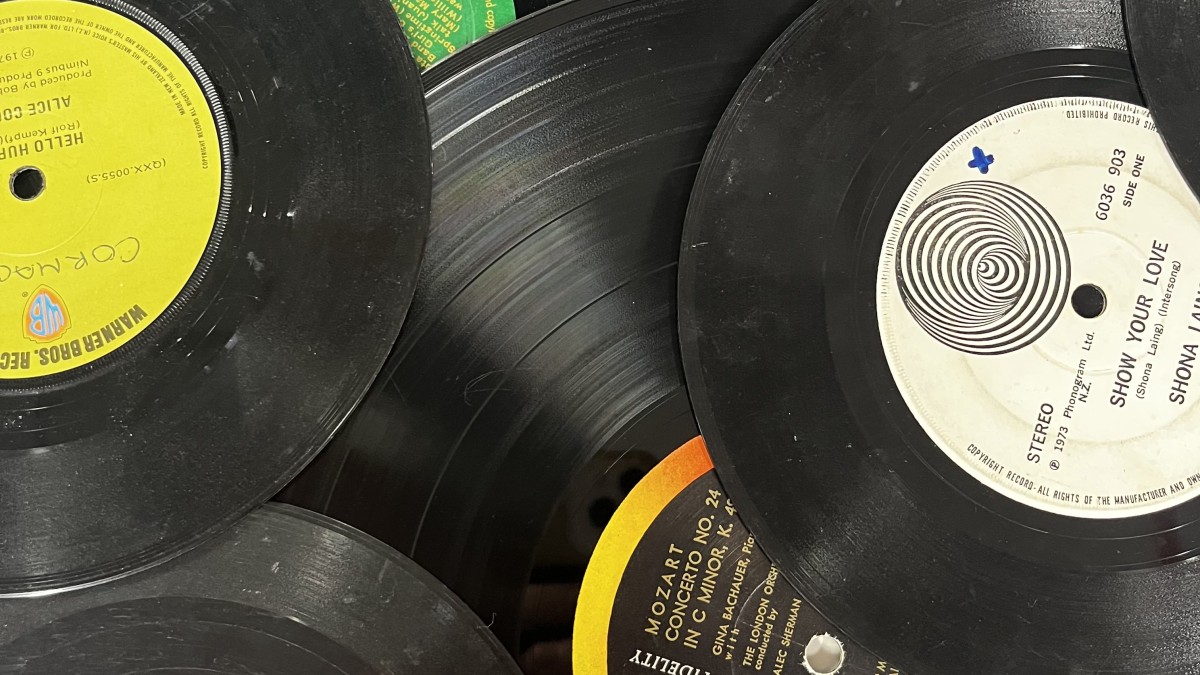
Vinyl records have reached a landmark moment in the United States, generating more than $1 billion in annual revenue for the first time in over four decades. The last time the format achieved comparable commercial success was in 1983, before the rise of cassette tapes, compact discs and, eventually, digital streaming reshaped how music is consumed.
The milestone underscores the sustained resurgence of physical music formats, particularly vinyl, which has gradually rebuilt its presence over the past decade. What was once considered a niche collector’s item has evolved into a mainstream product once again, with 2025 marking a peak year for sales driven by both new releases and reissued catalog titles.
A significant factor behind vinyl’s revival is the changing behaviour of younger audiences. Gen Z and millennial listeners have increasingly gravitated toward physical formats as a way to deepen their connection to music. For many, vinyl offers a more intentional listening experience compared to the convenience and passivity of streaming. The format’s tactile nature, larger artwork, and ritual of playing a record contribute to its appeal.
Artists across genres have also played a central role in driving demand. Vinyl has become a key component of album rollouts, with exclusive pressings, limited-edition colour variants and collectible packaging often released alongside digital and streaming versions. These variations encourage fans to purchase multiple copies of the same album, turning releases into collector-driven events rather than single-format consumption.
Among the artists contributing to this trend is Kendrick Lamar, whose recent releases and catalogue have been made available across a range of vinyl editions. Limited pressings tied to major album drops, along with special reissues of earlier work, have helped sustain demand among both dedicated fans and vinyl collectors. His releases reflect a broader industry approach where high-profile artists use vinyl not only as a distribution format but also as a premium product that complements digital access.
Despite the continued dominance of streaming platforms such as Spotify and Apple Music, vinyl now accounts for a growing share of physical music revenue in the United States. It has already surpassed compact disc sales in recent years, reinforcing its position as the leading physical format in the modern music market. While streaming remains the primary method of consumption for most listeners, vinyl occupies a distinct space focused on ownership, collectability and audio experience.
Industry observers suggest that the format’s growth is unlikely to slow significantly in the near term. Although vinyl production faces constraints such as manufacturing capacity and longer lead times, sustained consumer interest and continued support from artists and labels have kept demand strong. The format’s appeal lies not in convenience, but in its perceived authenticity and permanence in an increasingly digital landscape.
The broader implication of vinyl’s resurgence points to a shift in how audiences engage with music. Rather than replacing one format with another, modern consumption habits reflect a hybrid model in which streaming and physical media coexist. Streaming provides instant access to vast libraries of music, while vinyl offers a tangible, curated experience that many listeners value as a form of ownership and connection.
More than 40 years after its commercial peak, vinyl has re-established itself as a significant force in the music industry, proving that physical formats can still thrive alongside digital innovation when supported by cultural relevance and evolving consumer preferences.